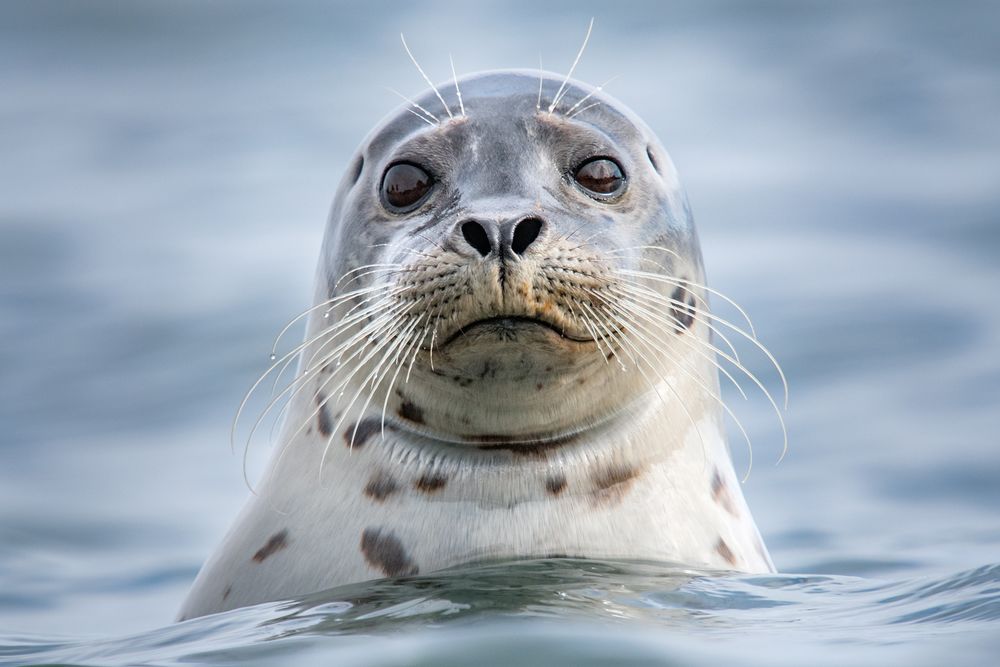
Every year on February 19, the global community celebrates International Marine Mammal Protection Day — one of the most important holidays dedicated to the protection of whales, dolphins, sea lions, and other ocean inhabitants. This day reminds humanity of a historic decision that saved marine fauna from complete destruction.
The History Behind the Holiday: The Whaling Moratorium
The history of International Marine Mammal Protection Day is inextricably linked to the battle to save whales. On February 19, 1986, an event occurred that changed the fate of marine mammals on our planet — the International Whaling Commission (IWC) introduced a global moratorium on commercial whaling.
This decision was the result of 40 years of dedicated work by scientists, environmentalists, and nature conservationists. The International Whaling Commission itself was established in 1946, but for many decades its powers were insufficient for real protection. Commercial whaling continued at a devastating pace, with millions of animals dying annually.
Thanks to the initiative of the environmental movement and international pressure, the moratorium was finally adopted in 1986, saving millions of lives and becoming a turning point in marine ecosystem protection. This date was chosen for the annual celebration of International Marine Mammal Protection Day, reminding the world of the significance of this historic decision.
The Scale of the Problem: Numbers You Need to Know
Despite the achievements, the situation remains critical. Here are the main facts that should concern us:
Major Threats to Marine Mammals
Marine mammals face multiple threats from the modern world:
Ocean pollution — plastic, chemicals, and petroleum products enter animal bodies, causing disease and death.
Climate change — warming waters alter the migration routes of fish that dolphins and whales eat. Rising ocean acidity levels affect entire food chains, forcing animals to migrate to new and often dangerous territories.
Poaching and illegal fishing — despite the moratorium, whaling continues in some countries, exploiting loopholes in IWC legislation.
Habitat degradation — destruction of coral reefs, elimination of fish spawning grounds, and coastal pollution.
Noise pollution — sound from ships and marine technology disrupts animal communication and disorients them.
Success Stories: When Protection Actually Works
However, there are bright examples proving that marine mammal protection can be effective.
Northern Elephant Seal: Return from the Brink of Extinction
By the late 19th century, the northern elephant seal was considered nearly extinct. Hunters killed the population for blubber and skin, reducing it to just 20 individuals on Guadalupe Island. Thanks to full protection, the population recovered to an impressive 124,000 animals. This proves: protection works.
Humpback Whale: A Miracle of Recovery
In the 1960s, only 5,000 humpback whales remained. Thanks to the 1986 moratorium, their population recovered to 35,000 individuals. The songs of these whales, recorded by scientists, became a symbol of the wildlife protection movement and inspire millions of people worldwide.
Baiji River Dolphin: A Lesson We Cannot Forget
Unfortunately, the Chinese river dolphin, the baiji, went extinct in 2006 — the first marine mammal driven to extinction by humans in the modern era. However, its story mobilized the international community. After this tragedy, strict protection measures were implemented for other river dolphins, saving them from a similar fate.
How You Can Help: Three Paths to Action
PATH 1: Environmental Education and Awareness
Sharing knowledge is the foundation of change. You can:
PATH 2: Practical Action
If you're ready for more active involvement:
PATH 3: Information and Media Support
Your voice on the internet matters:
Frequently Asked Questions About Marine Mammals
How do dolphins differ from whales?
Dolphins are a type of whale (cetacean). The main differences: dolphins have teeth (as do toothed whales), they are smaller, and have a different skull structure. All are members of the cetacean order.
How dangerous are fishing nets to dolphins?
Very dangerous. About 300,000 marine mammals die in nets annually. This is called "bycatch." Dolphins suffocate because they need to surface to breathe.
Why doesn't the 1986 moratorium work everywhere?
Some countries (Norway, Iceland, Japan) have resumed or continued limited whaling, exploiting loopholes in IWC legislation. This causes major international disputes.
How does climate change affect dolphins?
Warming waters alter migration routes of the fish dolphins eat. Additionally, rising ocean acidity affects entire food chains. This forces dolphins to migrate to new territories, sometimes dangerous waters.
Can I help if I find a dolphin?
Don't attempt to help on your own. Immediately contact your local animal protection organization or rehabilitation center. Specialists know the proper way to help.
What's the difference between ethical and harmful dolphin tourism?
Ethical tourism maintains distance, avoids noise, and doesn't feed animals. Harmful tourism stresses animals, disrupts natural behavior, and interferes with breeding cycles.
Let Yourself Consider This
Every year on February 19, the planet remembers marine mammals. But their protection is not a one-time act. It is the daily work of thousands of people who believe that a planet with room for dolphins and whales is a planet that also has room for our children.
The question is not whether you can help. The question is: will you?
The history of International Marine Mammal Protection Day is inextricably linked to the battle to save whales. On February 19, 1986, an event occurred that changed the fate of marine mammals on our planet — the International Whaling Commission (IWC) introduced a global moratorium on commercial whaling.
This decision was the result of 40 years of dedicated work by scientists, environmentalists, and nature conservationists. The International Whaling Commission itself was established in 1946, but for many decades its powers were insufficient for real protection. Commercial whaling continued at a devastating pace, with millions of animals dying annually.
Thanks to the initiative of the environmental movement and international pressure, the moratorium was finally adopted in 1986, saving millions of lives and becoming a turning point in marine ecosystem protection. This date was chosen for the annual celebration of International Marine Mammal Protection Day, reminding the world of the significance of this historic decision.
The Scale of the Problem: Numbers You Need to Know
Despite the achievements, the situation remains critical. Here are the main facts that should concern us:
- 36 cetacean species are endangered or on the brink of extinction
- Only 13% of the world's oceans are protected by moratorium and legislation
- More than 300,000 marine mammals die annually in fishing nets (so-called "bycatch")
- 90% of ocean plastic comes from just 10 rivers worldwide
- Dolphins suffocate in fishing nets because they must surface to breathe
Major Threats to Marine Mammals
Marine mammals face multiple threats from the modern world:
Ocean pollution — plastic, chemicals, and petroleum products enter animal bodies, causing disease and death.
Climate change — warming waters alter the migration routes of fish that dolphins and whales eat. Rising ocean acidity levels affect entire food chains, forcing animals to migrate to new and often dangerous territories.
Poaching and illegal fishing — despite the moratorium, whaling continues in some countries, exploiting loopholes in IWC legislation.
Habitat degradation — destruction of coral reefs, elimination of fish spawning grounds, and coastal pollution.
Noise pollution — sound from ships and marine technology disrupts animal communication and disorients them.
Success Stories: When Protection Actually Works
However, there are bright examples proving that marine mammal protection can be effective.
Northern Elephant Seal: Return from the Brink of Extinction
By the late 19th century, the northern elephant seal was considered nearly extinct. Hunters killed the population for blubber and skin, reducing it to just 20 individuals on Guadalupe Island. Thanks to full protection, the population recovered to an impressive 124,000 animals. This proves: protection works.
Humpback Whale: A Miracle of Recovery
In the 1960s, only 5,000 humpback whales remained. Thanks to the 1986 moratorium, their population recovered to 35,000 individuals. The songs of these whales, recorded by scientists, became a symbol of the wildlife protection movement and inspire millions of people worldwide.
Baiji River Dolphin: A Lesson We Cannot Forget
Unfortunately, the Chinese river dolphin, the baiji, went extinct in 2006 — the first marine mammal driven to extinction by humans in the modern era. However, its story mobilized the international community. After this tragedy, strict protection measures were implemented for other river dolphins, saving them from a similar fate.
How You Can Help: Three Paths to Action
PATH 1: Environmental Education and Awareness
Sharing knowledge is the foundation of change. You can:
- Organize a lecture or seminar at a local school, university, or library about the lives of whales and dolphins
- Hold an exhibition with photographs of marine mammals and information about threats
- Create educational content — articles, videos, podcasts about dolphins
- Organize a documentary film screening about marine mammal life
- Conduct an interactive quiz on social media with facts about cetaceans
PATH 2: Practical Action
If you're ready for more active involvement:
- Coastal cleanup — organize or join beach cleaning campaigns to remove plastic and debris
- Monitoring programs — if you live in a coastal region, participate in observing dolphin and whale populations
- Support rehabilitation centers — help financially or as a volunteer with local organizations rescuing injured animals
- Fund research — donate to scientific projects studying marine mammals
- Protect local marine reserves — participate in campaigns for the creation and expansion of marine protected areas
PATH 3: Information and Media Support
Your voice on the internet matters:
- Share accurate information on social media — share articles, facts, and scientific research
- Create themed groups and channels — build a community of like-minded people on Telegram, VK, WhatsApp, Discord
- Fight misinformation — respectfully correct incorrect information about dolphins and whales
- Volunteer translations — help translate scientific articles and materials into Russian
- Create memes and graphics — entertaining and informative content attracts attention
- Interview experts — conduct interviews with scientists and activists
Frequently Asked Questions About Marine Mammals
How do dolphins differ from whales?
Dolphins are a type of whale (cetacean). The main differences: dolphins have teeth (as do toothed whales), they are smaller, and have a different skull structure. All are members of the cetacean order.
How dangerous are fishing nets to dolphins?
Very dangerous. About 300,000 marine mammals die in nets annually. This is called "bycatch." Dolphins suffocate because they need to surface to breathe.
Why doesn't the 1986 moratorium work everywhere?
Some countries (Norway, Iceland, Japan) have resumed or continued limited whaling, exploiting loopholes in IWC legislation. This causes major international disputes.
How does climate change affect dolphins?
Warming waters alter migration routes of the fish dolphins eat. Additionally, rising ocean acidity affects entire food chains. This forces dolphins to migrate to new territories, sometimes dangerous waters.
Can I help if I find a dolphin?
Don't attempt to help on your own. Immediately contact your local animal protection organization or rehabilitation center. Specialists know the proper way to help.
What's the difference between ethical and harmful dolphin tourism?
Ethical tourism maintains distance, avoids noise, and doesn't feed animals. Harmful tourism stresses animals, disrupts natural behavior, and interferes with breeding cycles.
Let Yourself Consider This
Every year on February 19, the planet remembers marine mammals. But their protection is not a one-time act. It is the daily work of thousands of people who believe that a planet with room for dolphins and whales is a planet that also has room for our children.
The question is not whether you can help. The question is: will you?
#MARINEMAMMALS #CETACEANS #DOLPHINS #WHALES #MARINECONSERVATION #ECOLOGY #SCIENTIFICARTICLE #DOLPHINHUB
Platform: Dolphin Hub Global platform for human-dolphin interaction Uniting science, ecology, and culture
https://dolphinhub.info
© 2026 Dolphin Hub | All rights reserved